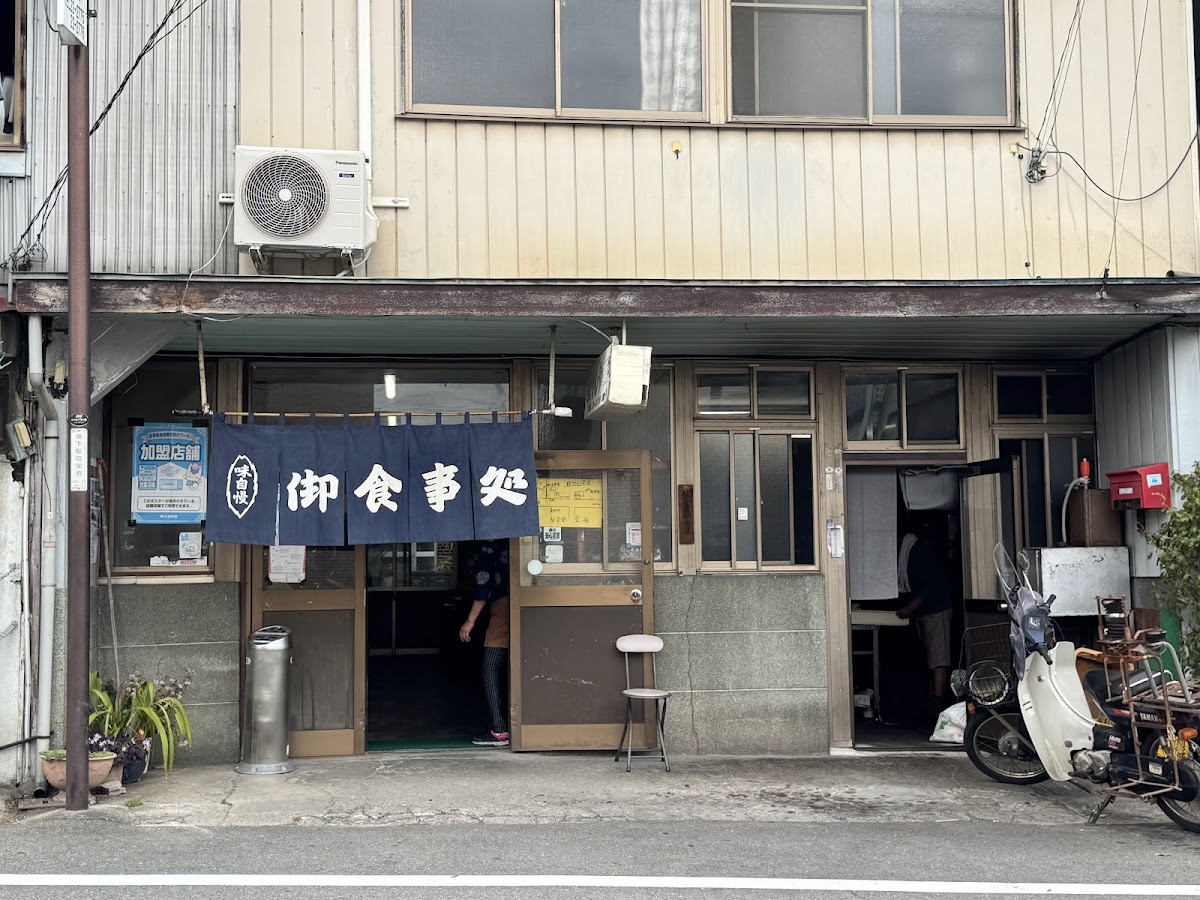
ボリュームと値段の安さが凄い『林家食堂』お昼の11:30にはお客さんが既に満席で出前の電話が鳴りっぱなしで凄い繁盛店でした。小麦粉、ラード、カレー粉で作った『昭和の黄色いカレー』 "甘口"でコクがあってカツもサクサクでとても美味しいタンメンもスープにコクと旨みがあってこれも中々良かった!肉丼(上)は6枚入りの甘ダレで美味いが肉の焼き目が足りないのが残念だが、安くてボリューミーで食べ応えがあったのでこれは有り又食べに行って次は何を食うか楽しみ 因みに"第一駐車場"ミニストップの跡地の隣(2台)、"第二駐車場"美容室un・pasの反対側(7〜8台)分かりにくい駐車場????なのでこれを参考にして下さい。
Overview
Tucked away in the heart of Gunma at Japan, 〒377-0008 Gunma, Shibukawa, 坂下町2147, Hayashiya Restaurant feels like the kind of place you discover once and then keep returning to whenever you’re anywhere near Shibukawa. The street itself is quiet, almost understated, but once you slide open the door, the warmth of simmering broth and grilled fish hits you immediately. It’s intimate without being cramped, traditional without feeling dated, and above all, deeply rooted in regional Japanese cuisine.
The first time I visited, I was traveling through Gunma after a day trip near Ikaho Onsen. A local taxi driver mentioned that if I wanted an authentic meal rather than something touristy, this was the spot. That recommendation turned out to be gold. The menu focuses heavily on seasonal ingredients, and that seasonal awareness is not just a nice phrase. In Japan, the concept of shun-eating ingredients at their peak-is widely respected, and according to Japan’s Ministry of Agriculture, seasonal sourcing enhances both flavor and nutritional value. You can taste that philosophy in every bite here.
One of the standout dishes was the simmered kabocha pumpkin with miso-glazed river fish. It sounds simple, but the preparation technique reflects skill. The fish was grilled slowly over charcoal, a method known as sumibi-yaki, which allows fat to render gradually without drying the flesh. Research published by the Japanese Society of Food Science and Technology notes that charcoal grilling can preserve moisture while enhancing umami compounds. That rich, savory depth was evident. The texture was delicate yet structured, and the subtle smokiness lingered long after each bite.
Another visit, I brought along a friend who works in hospitality management. We both ordered different set meals to compare notes, almost like a mini case study. I opted for a tempura teishoku, while he chose a sashimi platter. The tempura batter was light, crisp, and not greasy-a sign that the oil temperature had been carefully controlled, likely around 170-180°C, which culinary experts such as those from Le Cordon Bleu recommend for optimal crispness. The sashimi, meanwhile, was sliced with clear precision. Clean cuts reduce cell damage in fish, preserving both texture and freshness. You could see the knife skills in the uniform thickness of each slice.
Hayashiya Restaurant doesn’t overwhelm you with a massive menu. Instead, it offers a focused selection: grilled fish, donburi bowls, noodle dishes, and seasonal side plates. That restraint builds trust. When a restaurant limits its offerings, it often means the kitchen concentrates on doing each dish exceptionally well rather than stretching resources thin. Judging by the steady flow of repeat customers-many of whom greeted the staff by name-this strategy works.
Reviews from local diners consistently highlight the attentive service. From my experience, the staff explain dishes with patience, especially to visitors unfamiliar with regional specialties. When I asked about one particular pickled vegetable on the side, the server described the fermentation process in detail. Traditional tsukemono can involve lactic acid fermentation, similar to the process used in yogurt or kimchi. Studies from the World Health Organization emphasize that fermented foods may support gut health, and while this isn’t a health clinic, it’s reassuring to know that traditional Japanese side dishes often carry functional nutritional benefits.
The location itself in Shibukawa adds to the charm. Gunma Prefecture is known for agriculture, particularly konjac and fresh produce, and that proximity to farms likely contributes to ingredient quality. Still, transparency matters. While Hayashiya Restaurant doesn’t publicly list every supplier, the freshness suggests short supply chains. That said, like many small family-run establishments, detailed sourcing information isn’t always formally documented online, so diners relying strictly on digital information might find limited data. What you gain instead is direct conversation with staff and a visible commitment to freshness.
Portion sizes are balanced rather than oversized. You leave feeling satisfied, not weighed down. Prices align with the quality delivered, especially considering the craftsmanship involved in traditional Japanese cooking. It’s the type of dining experience where subtlety reigns-where technique, respect for ingredients, and regional identity shape each plate.
After multiple visits, I can confidently say the restaurant delivers consistency. Whether you’re stopping by after exploring Gunma’s hot springs or planning a food-focused trip through Shibukawa, the experience here is reliable, thoughtful, and grounded in culinary tradition. The flavors speak clearly, the service feels genuine, and every dish reflects careful preparation rather than shortcuts.
Good to know
Service options
✓ Dine-in ✓ DeliveryPopular for
✓ Lunch ✓ Dinner ✓ Solo diningAccessibility
✓ Wheelchair-accessible car park ✓ Wheelchair-accessible entrance ✓ Wheelchair-accessible seating ✓ Wheelchair-accessible toiletOfferings
✓ Alcohol ✓ BeerDining options
✓ Lunch ✓ Dinner ✓ Table serviceAmenities
✓ ToiletCrowd
✓ Tourists ✓ University studentsPlanning
✓ Accepts reservationsPayments
✓ Cash only ✓ au PAY ✓ dBarai ✓ PayPay ✓ Rakuten Pay ✓ Transit IC cards ✓ V-MoneyParking
✓ Free parking lot ✓ ParkingPhotos
1 / 4
Location
Reviews
- No ratings yet 547 reviews
昭和価格のまま安くて美味い人気店です。前回は揚げそば(580円)酢豚(700円)+ライス、玉子スープ(270円)を頂きました。酢豚は豚バラでなく、カツに使う赤身でしたが柔らかくて私は好きです そして今回はタンメン(580円)鳥そば(580円)。タンメンは豚バラ、鳥そばはタンメン鳥胸でした(笑) 前回の玉子スープと同じスープで美味しかったです(^o^)
久々に行ったら内壁がキレイになっていました。 トイレは相変わらず汲み取り式ですが、臭わないしキレイで小2の子供も嫌がらず普通に利用出来ました。 中華丼に冷やし中華的な具材がのっててビックリでしたが美味しかったです。 安いのに相変わらずボリュームが半端なくて、食べきれずタッパをもらい持ち帰りました。 中華丼650円 肉野菜入やきそば580円 ヒレカツカレー750円
平日午前11時半に初訪問。 四人組のお客さんが店内待ちも、すぐに空きが出て自分はカウンターに着席。 メニュー豊富で迷います。 カツカレー700円を注文。 出前にも対応しているためか、注文が出てくるまでは20分近く待った感じ。 カツカレーは想像どおりの薄い黄色のやつ。 うーん、これこれ。 ボリュームが結構あり大満足。これで700円。 写真撮り忘れましたが、後からスープが出てきてこれも美味しかった。 見た目はかなりシンプルなクリアなスープですが、やや動物臭の感じるコクがありクセになる味。メニューには書いてないが、半ラーメンなるものがあるようで、結構セットにつけるお客さんも多かった。 ごちそうさまでした。
とても美味しく頂きました。 カツ丼の甘さが絶妙で自分の好みでした。 あっという間に平らげてしまいました。 残念なのはフロア係の婆さんの愛想のないことです。 無言で水や頼んだ物を置いていく、あまり気分のいいものではありません。客商売なのだから少しは愛想使わないと 相変わらず婆さんの愛想のなさには毎回気分悪くなります(-_-メ) 美味しいご飯を食べたくて行っているのに! オーダー取る順番もめちゃくちゃだし残念です
④本日は、暑い夏なので「五目冷し」をいただきました。具がたくさん乗っていてお腹いっぱいごちそうさまでした。本日は、カツカレーを食べているお客さんが美味しそうだったので「カツカレー大盛り」をいただきました。大盛り過ぎてお腹いっぱい。ごちそうさまでした。②本日は、①のときに他のお客さんが注文していたチャーハンが食べたくて再度「林屋食堂」へ。午前11時に到着しましたが、既に満席でしばらく店内で順番待ち。お店の外で待っている人の姿も。開店から忙しそう。美味しいチャーハンごちそうさまでした。大盛りにしたらすごい量だった。お腹いっぱい。①本日のお昼は「林屋食堂」へ。午前11半過ぎに到着し、カツ丼(上)とラーメンをいただきました。ずーっと食べたいと思っていた「普通のラーメン」と「甘めのカツ丼」とても美味しかった。最初、駐車場が分からずにいたところ、すぐにお店の方が出てきて案内してくれました◎ごちそうさまでした。
少し早めの夕食を取るために16時半頃に利用しました。濃紺ののれんが目印です。 ラーメン類や丼物、酢豚やチャーシュー単品などメニューはやや中華寄りのラインナップですがかなりリーズナブルな価格帯。今回はチャーシュー麺(¥600)を注文。 トッピングはチャーシューと青ネギのみですが物足りなさを感じないくらい完成された一品。特にチャーシューは食べ応えがあり且つしっかりと味も染みた個人的に好みの味付けです。麺も歯応えがありスープも半分以上飲むほど味わいある一品。 レンゲが食欲減退色の薄青色で終始違和感がありました。あと常連の方はラーメンと野菜炒めなど値段が安いので複数注文される方多かったので量を求める方は複数品注文をお勧めします。
このご時世にこの値段とボリュームはヤバすぎる 今回上みそと五目焼き飯を注文してお値段なんと1150円!完食してお腹はキツキツだけどお財布には優しいお店でした